

OCTOBER 2023
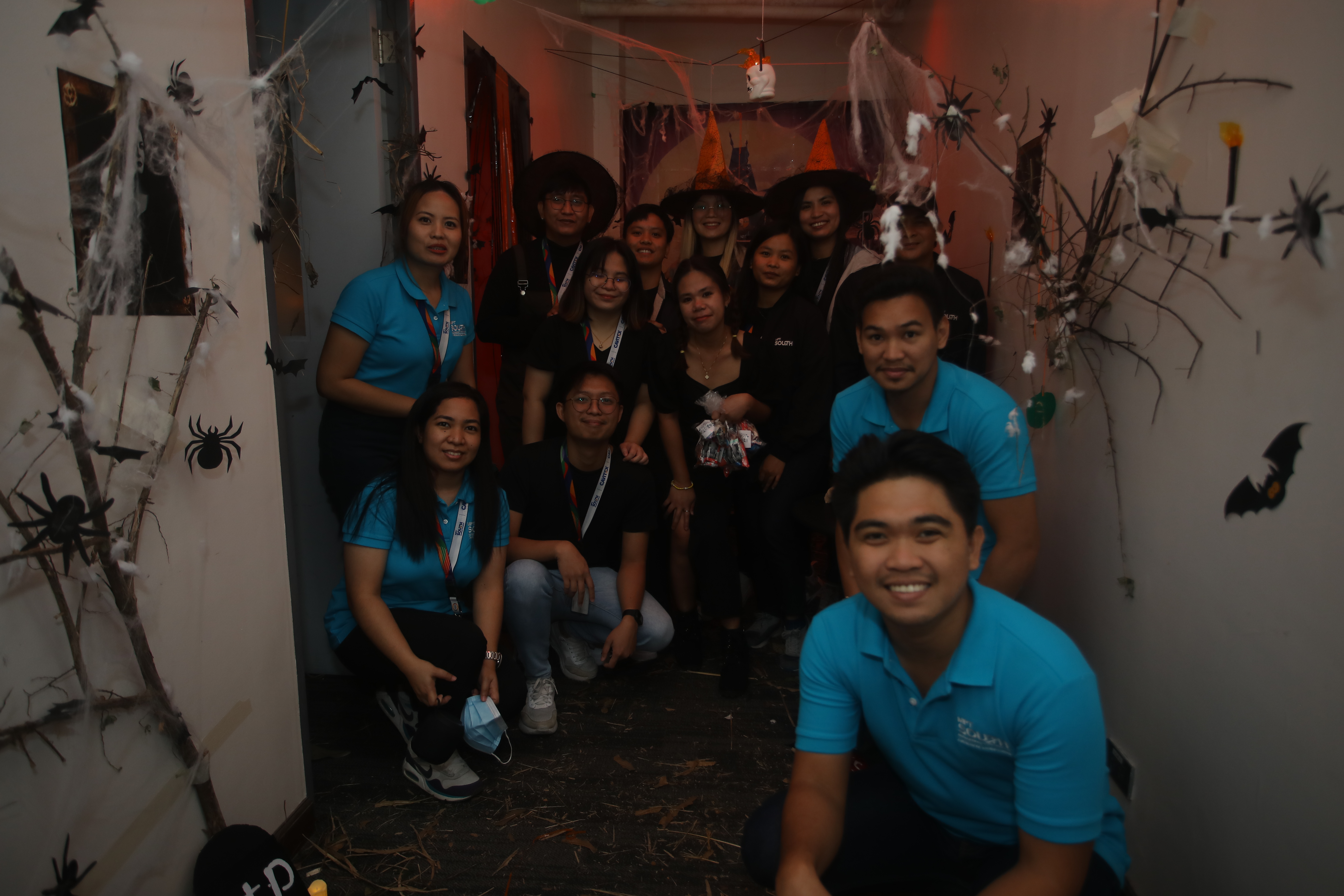
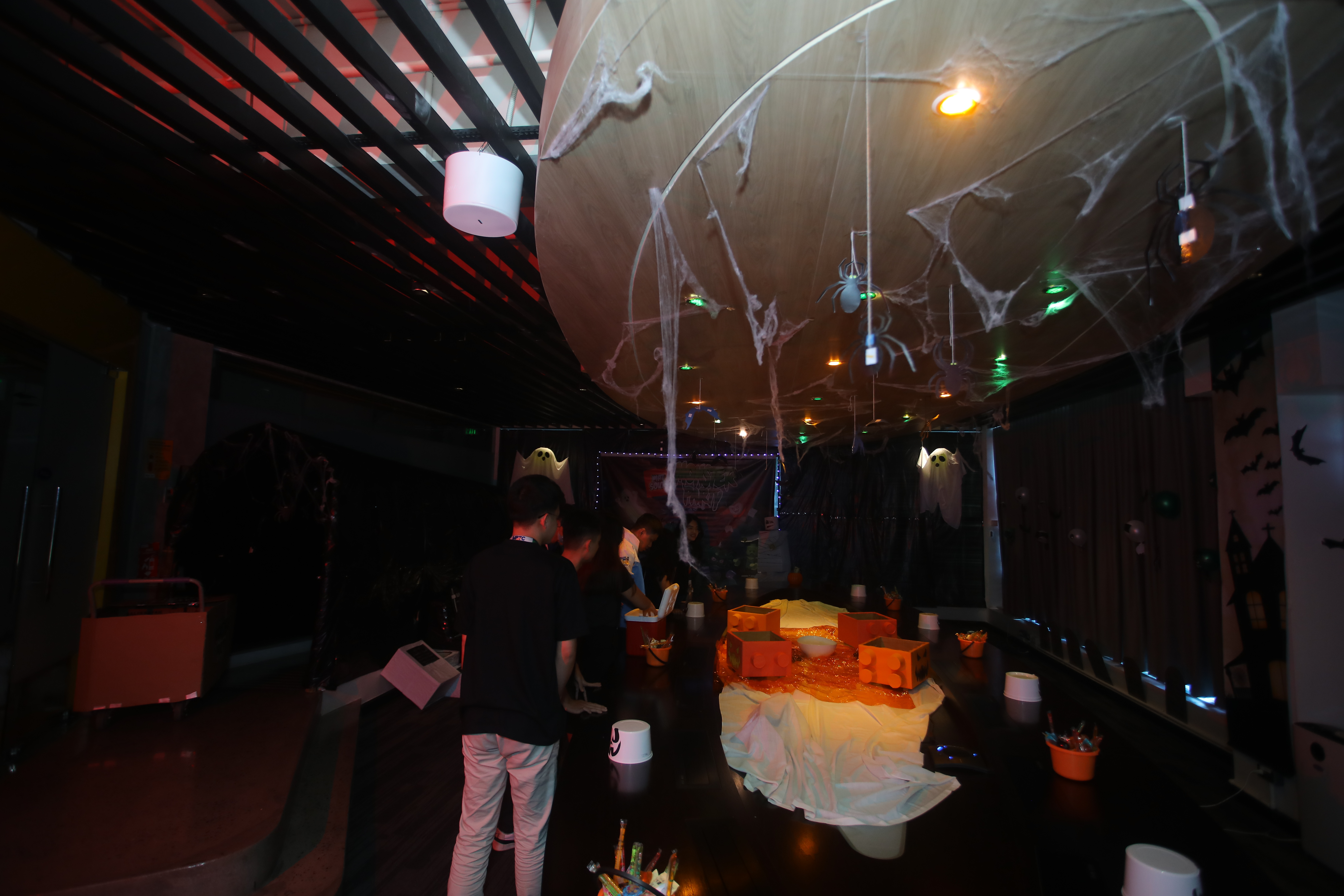
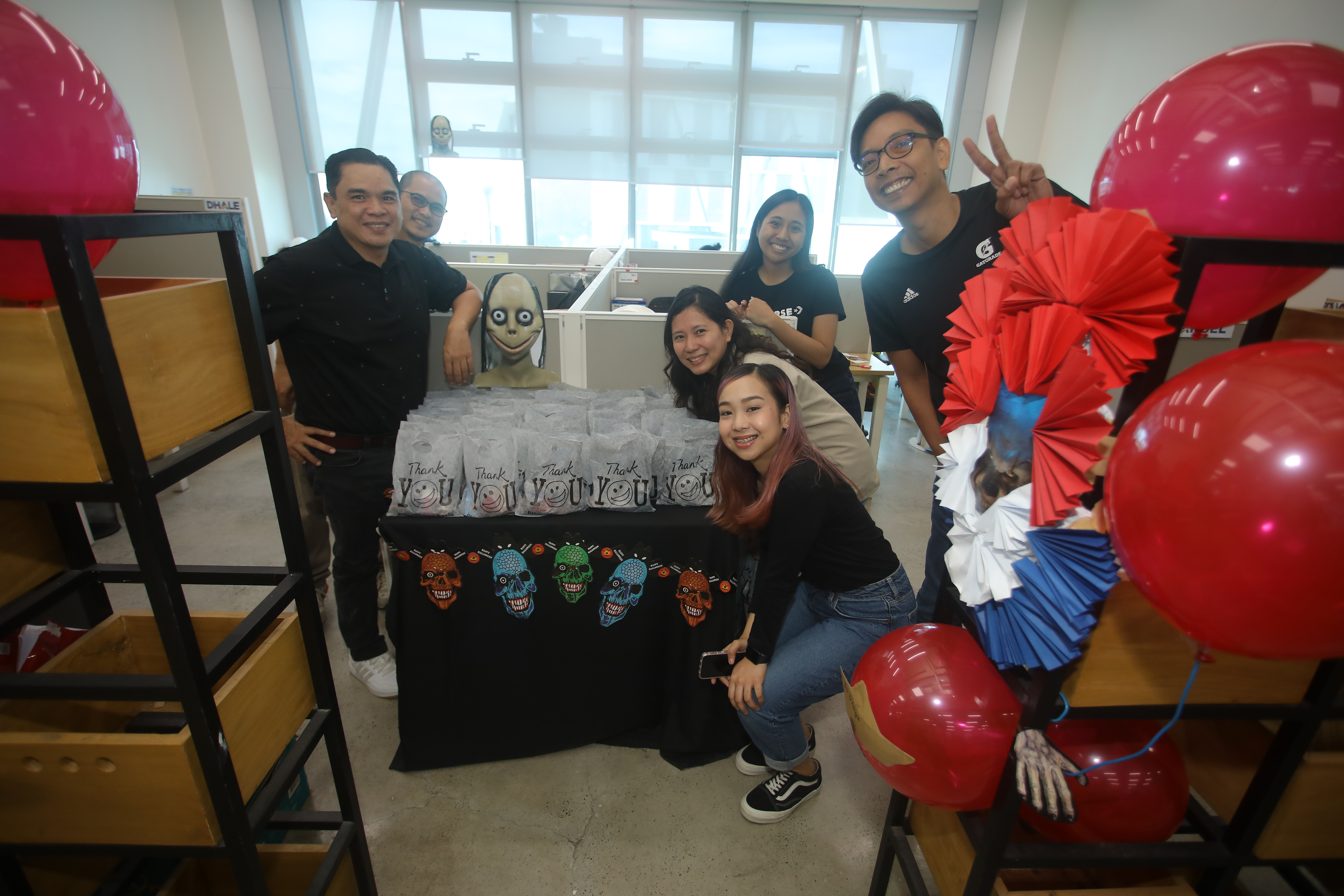
MPT South Spooktacular Decor Contest Winners:
1st Place – Upper Ground Floor, MPT South Hub

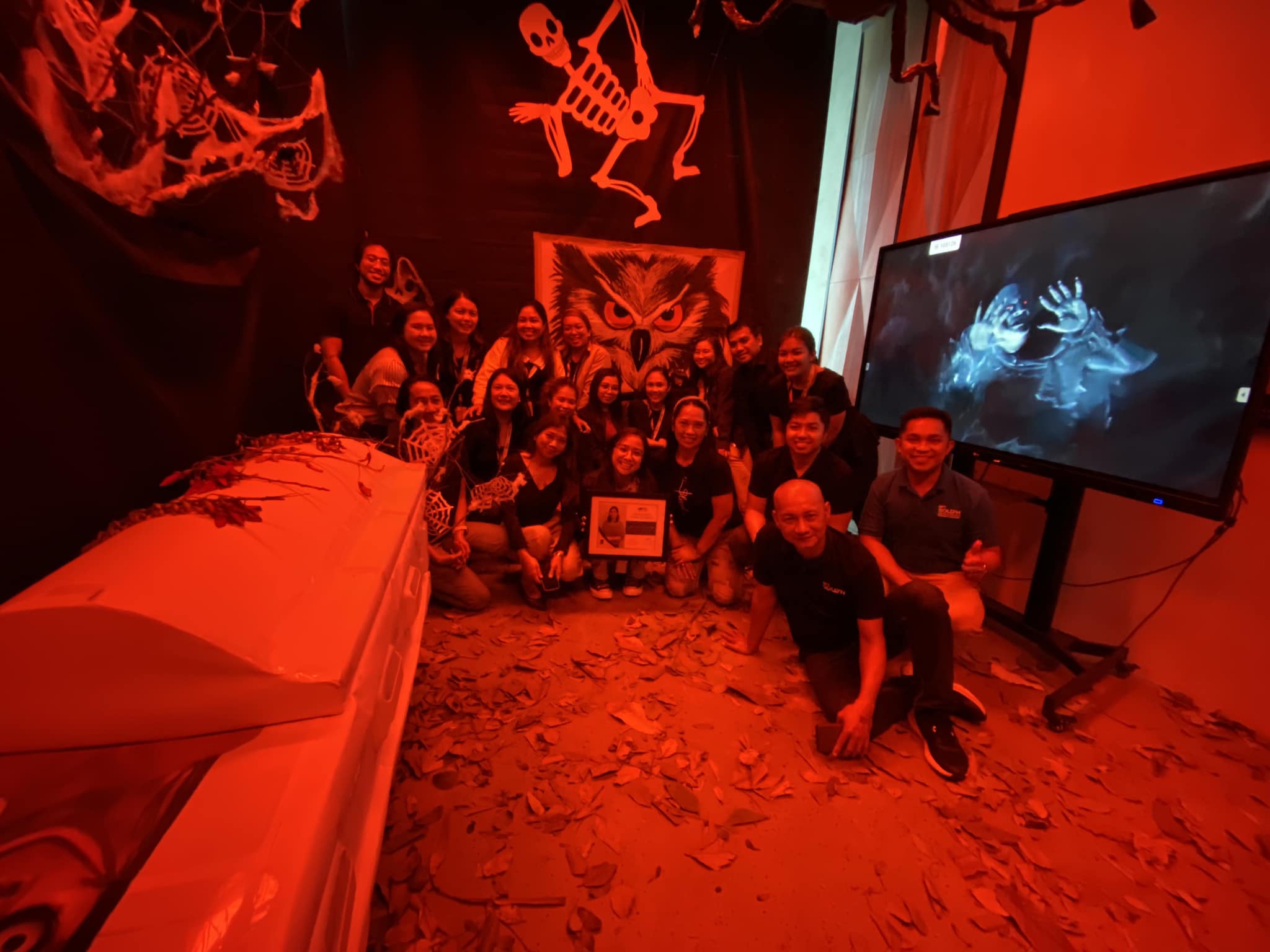
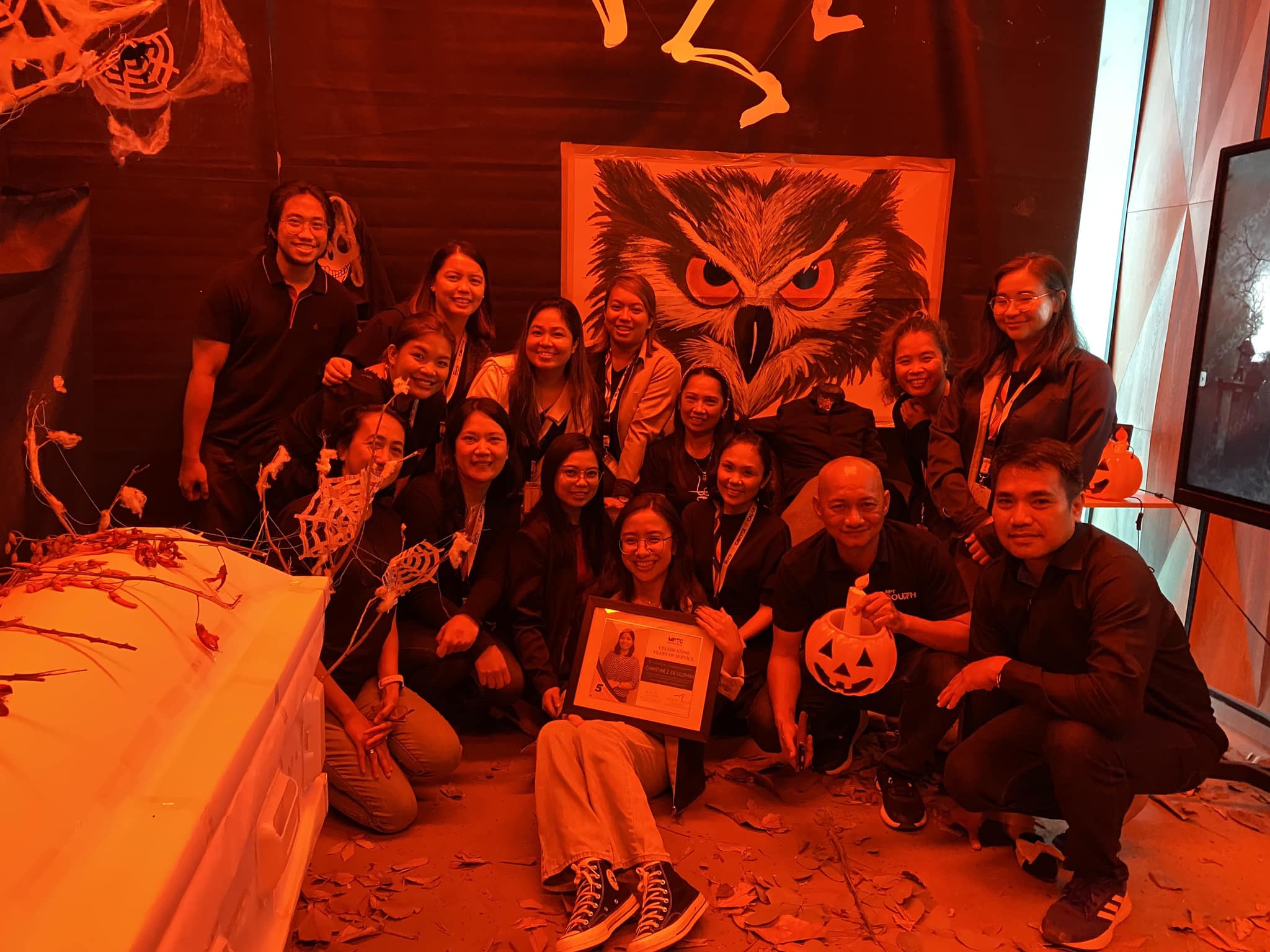
2nd Place – 2nd Floor, MPT South Hub
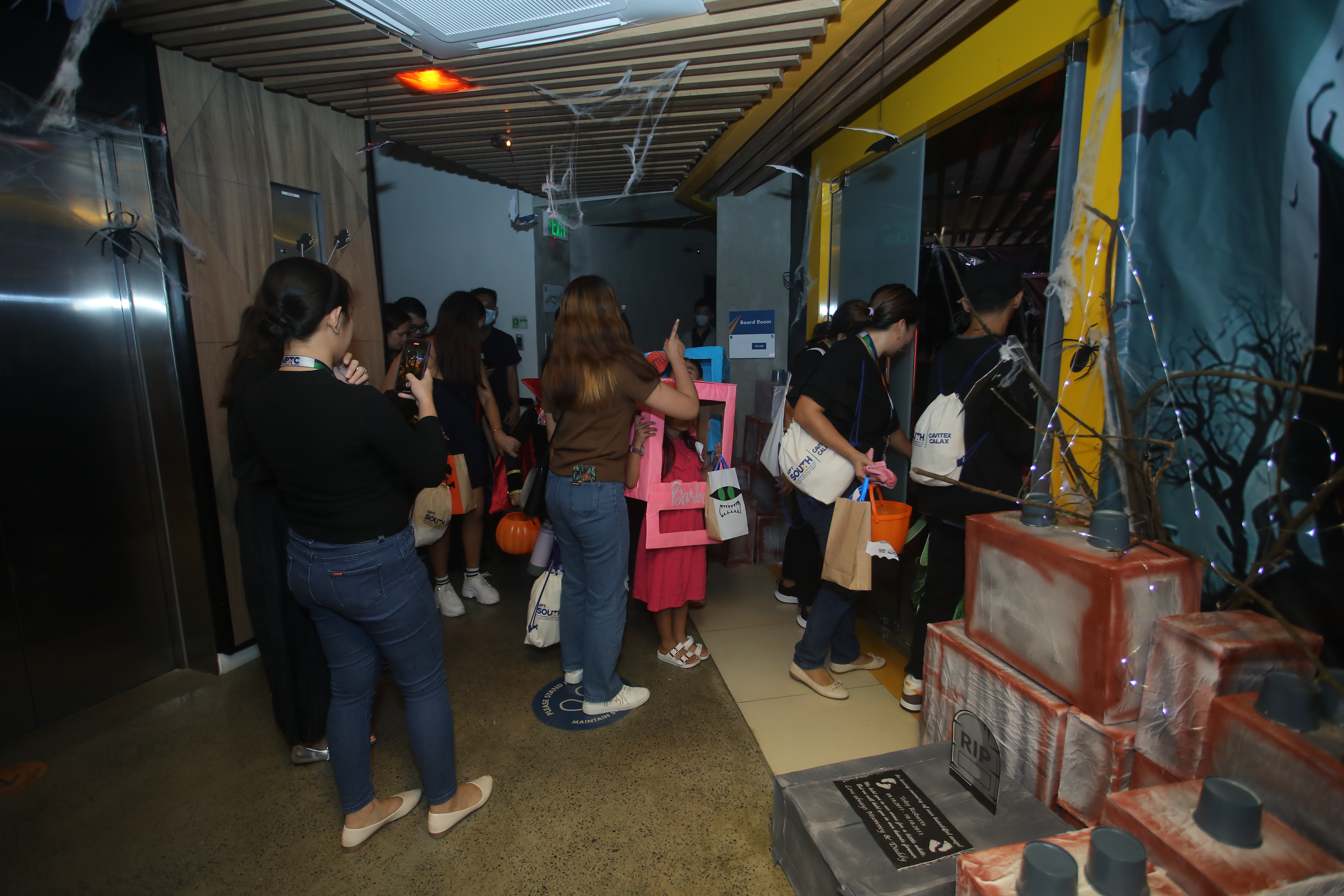
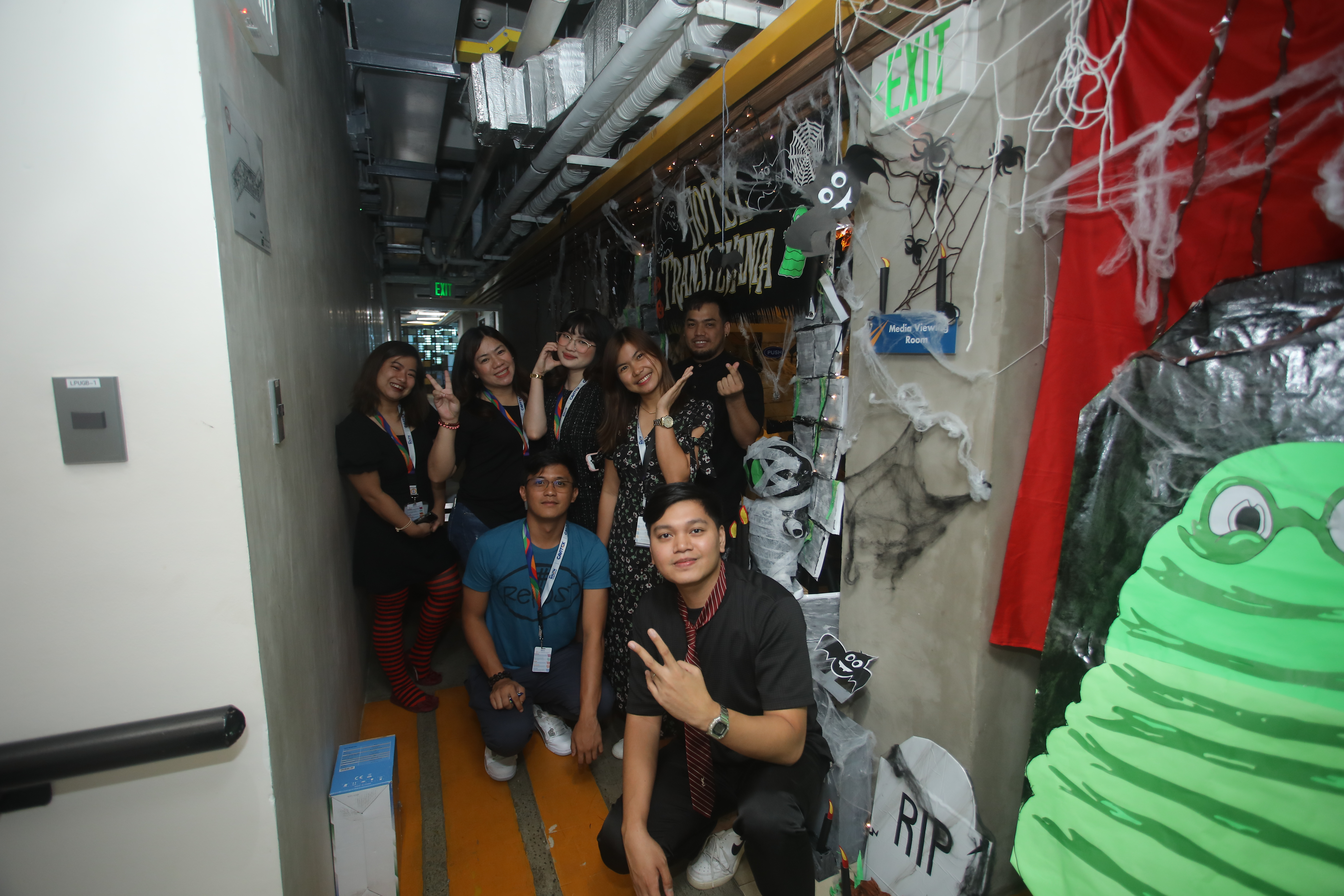

3rd Place – PMD CALAX Office, Governor’s Drive
PADUGÔ
The Filipino pre-Hispanic belief system consisted of a pantheon of deities, spirits, creatures, and men. Within these belief systems, supernatural beings known as anito or diwata were believed to watch over streams, fields, trees, mountains, forests, and houses. Sacrifices and prayers are offered to placate these deities and spirits—some of which were considered benevolent while others are seen malevolent. Central to these rituals was the recognition of blood as the sacred life force in both man and beast. Through the sacrifice—through the return of the sacred life revealed in the victim—the god lives, and, therefore, man and nature live. The great potency of blood was harnessed for various purposes including promoting fertility, ensuring safety, purifying, and seeking atonement.
However, upon the introduction of Islam and Christianity in the Philippines, a process of cultural adaptation and synthesis began, leading to the evolution of these beliefs. One of the most popular practices is the padugô that rooted in the pre-colonial animistic spiritual belief system. In this ritual, blood was mixed with construction materials to appease elemental spirits and ensure peaceful coexistence in a particular place. This act was seen as a form of sacrifice intended to pacify these spirits and prevent accidents during construction or misfortunes for future residents. Additionally, it was believed that by using blood in the construction, the structure would gain strength and protection from the deities inhabiting the area.
While these beliefs are rooted in superstition and folklore, they often held practical benefits. The act of incorporating blood in construction rituals served to encourage people to behave more cautiously, thereby reducing accidents. The psychological impact of emphasizing the importance of the bridge led to increased caution among those who used it.
References:
1. California State University, East Bay. (n.d.). Religion in the Philippines. CSUEB Virtual Museum. https://www.csueastbay.edu/museum/virtual-museum/the-philippines/info-center/religion.html
2. Miller, J. (n.d.). Religion in the Philippines. Asia Society. https://asiasociety.org/education/religion-philippines3. Tagaza, C. (2016). 7 Mysterious Pinoy Building Superstitions. Real Living. https://www.realliving.com.ph/lifestyle/arts-culture/7-popular-pinoy-building-superstitions-a1519-20161030
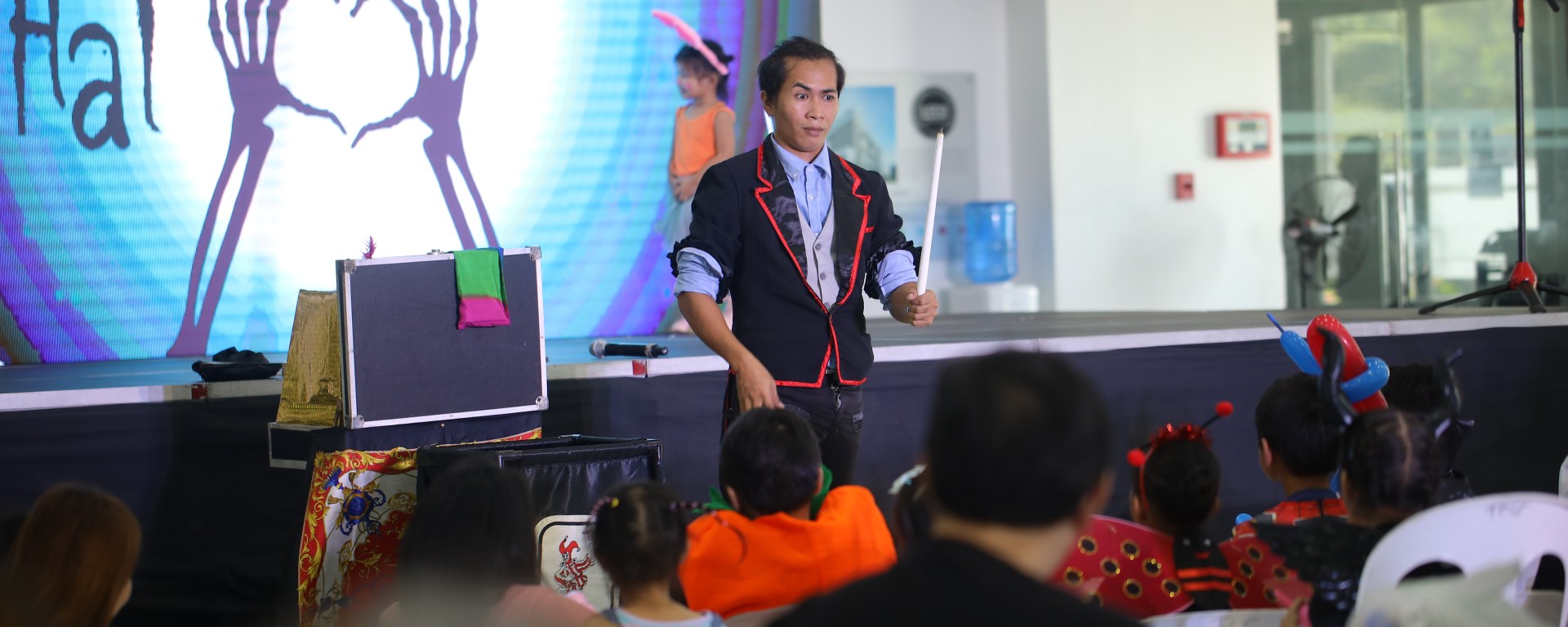
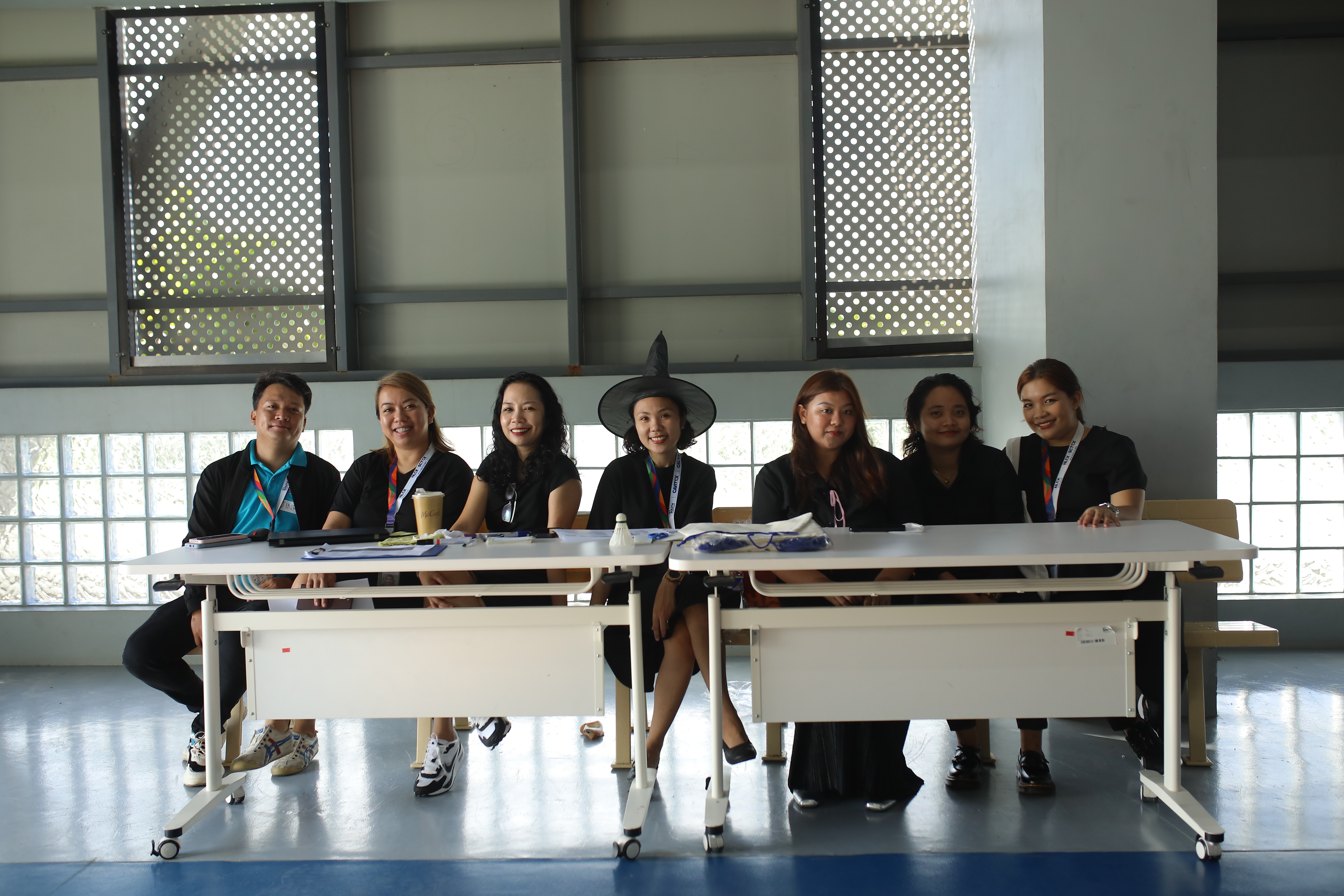
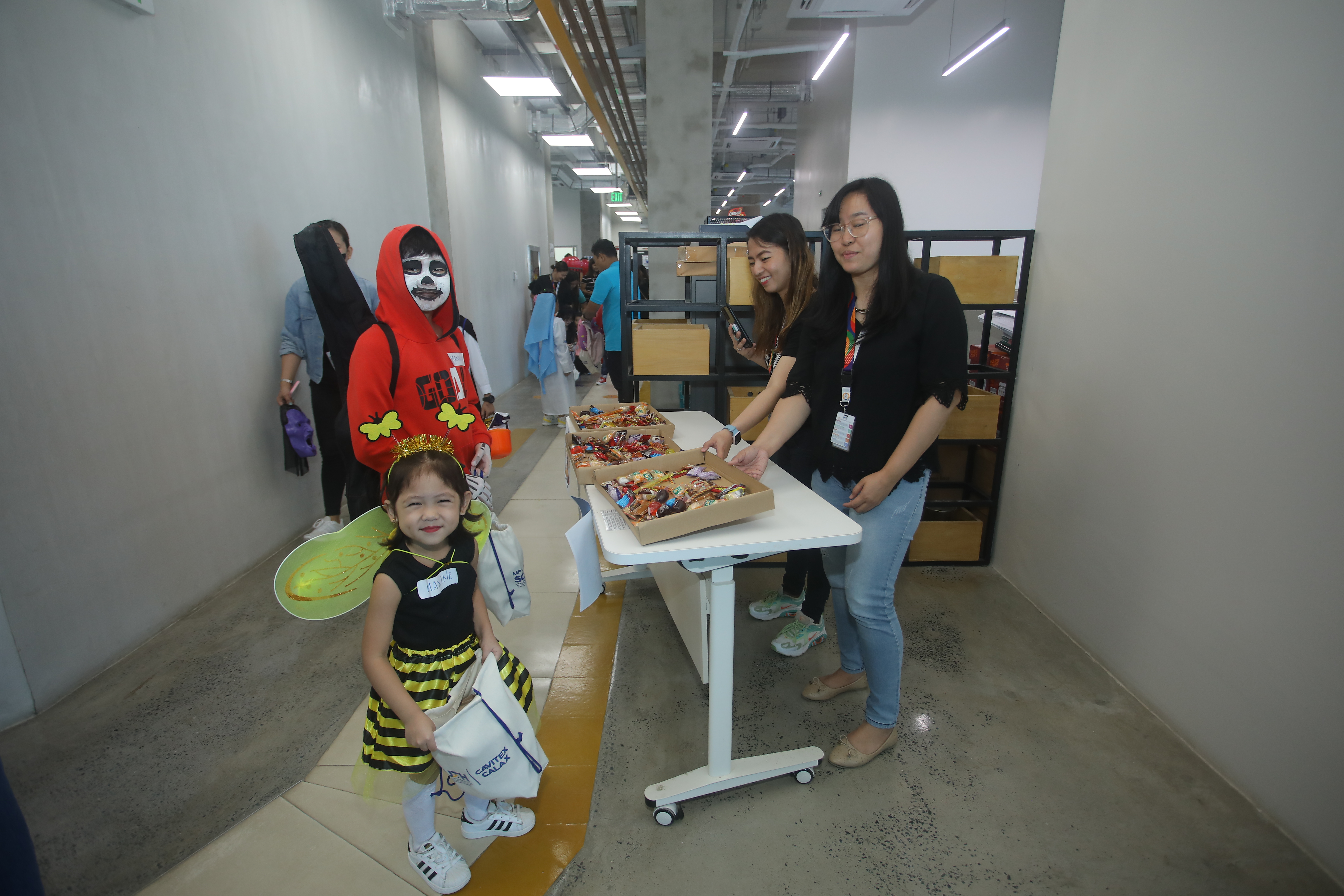
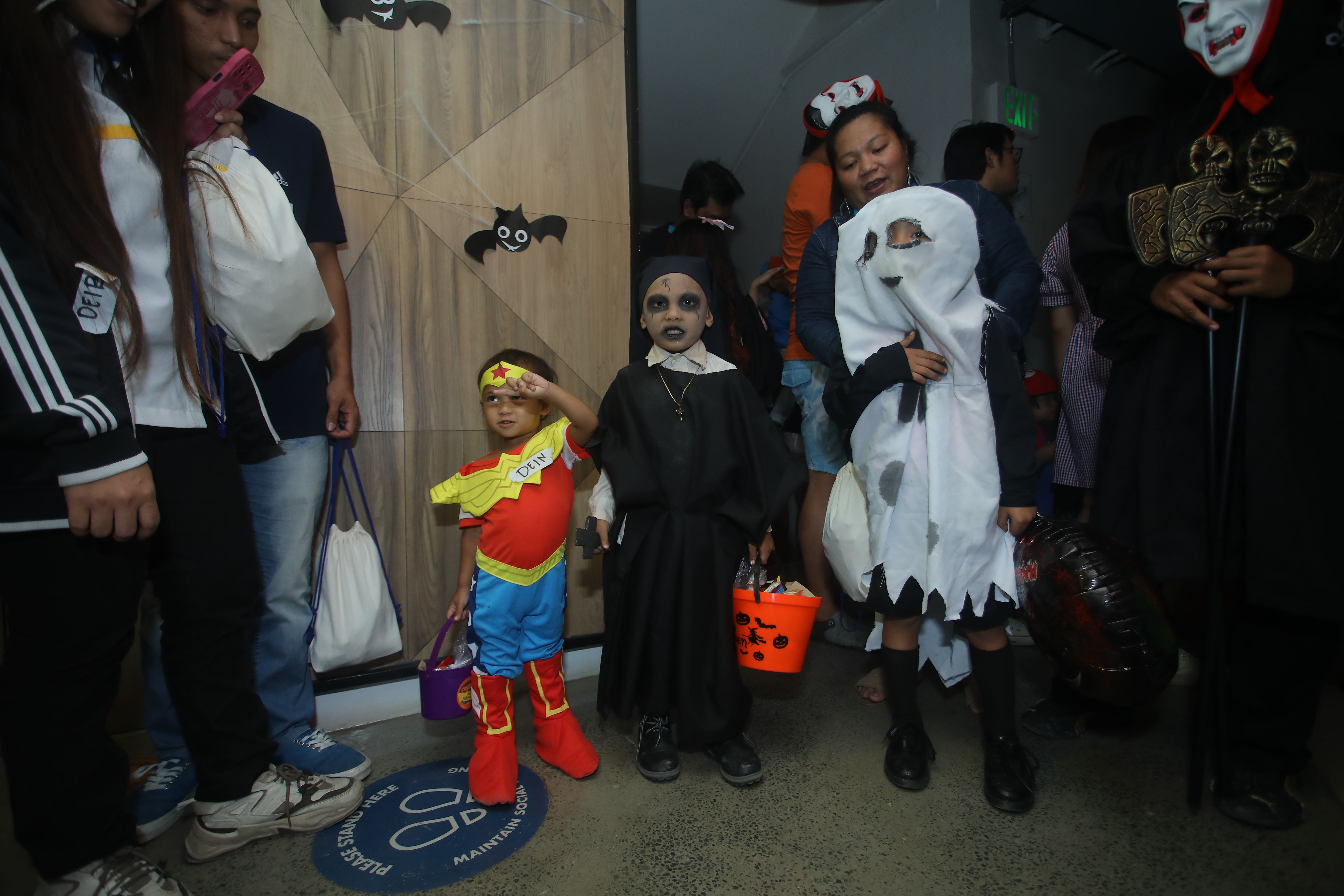
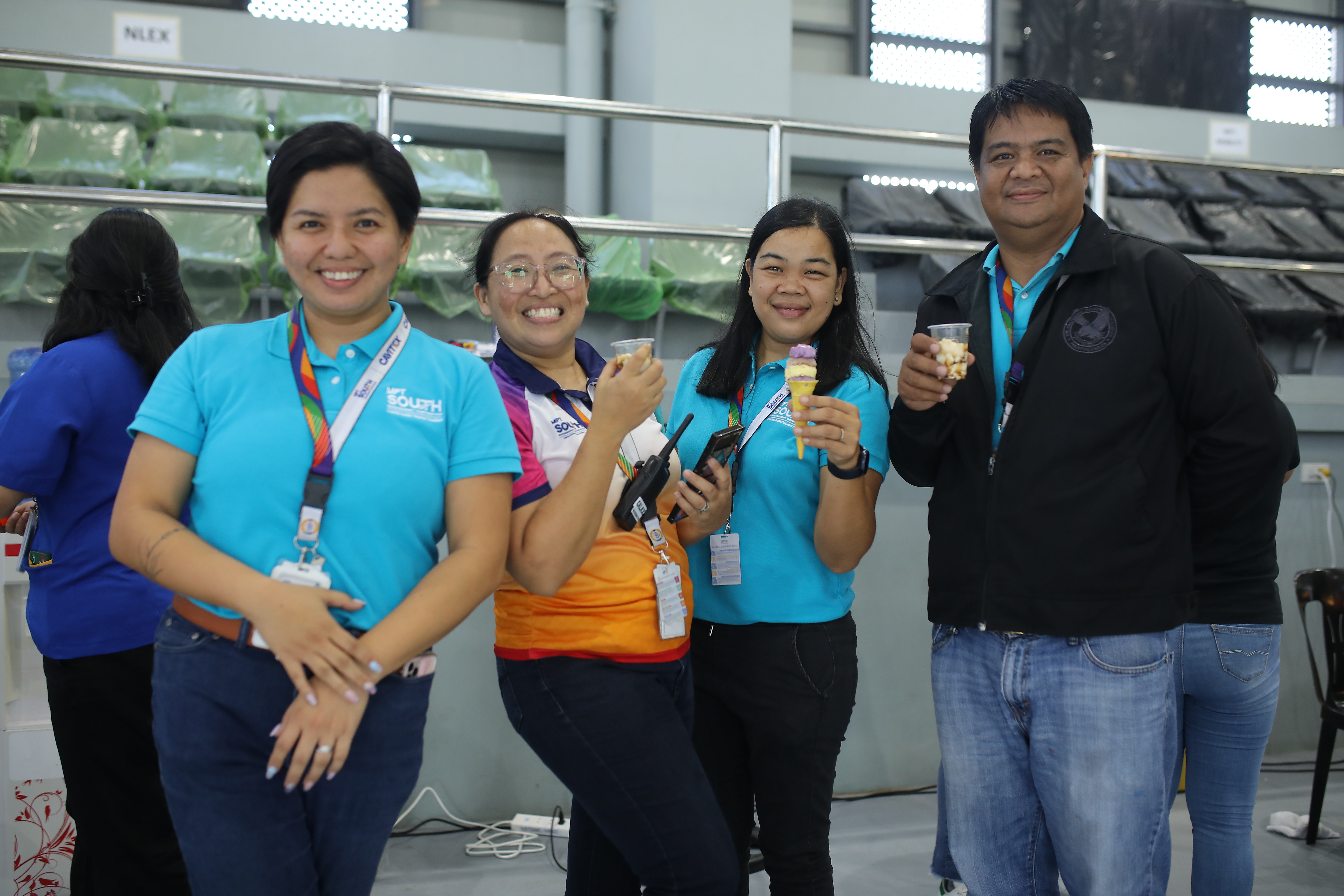
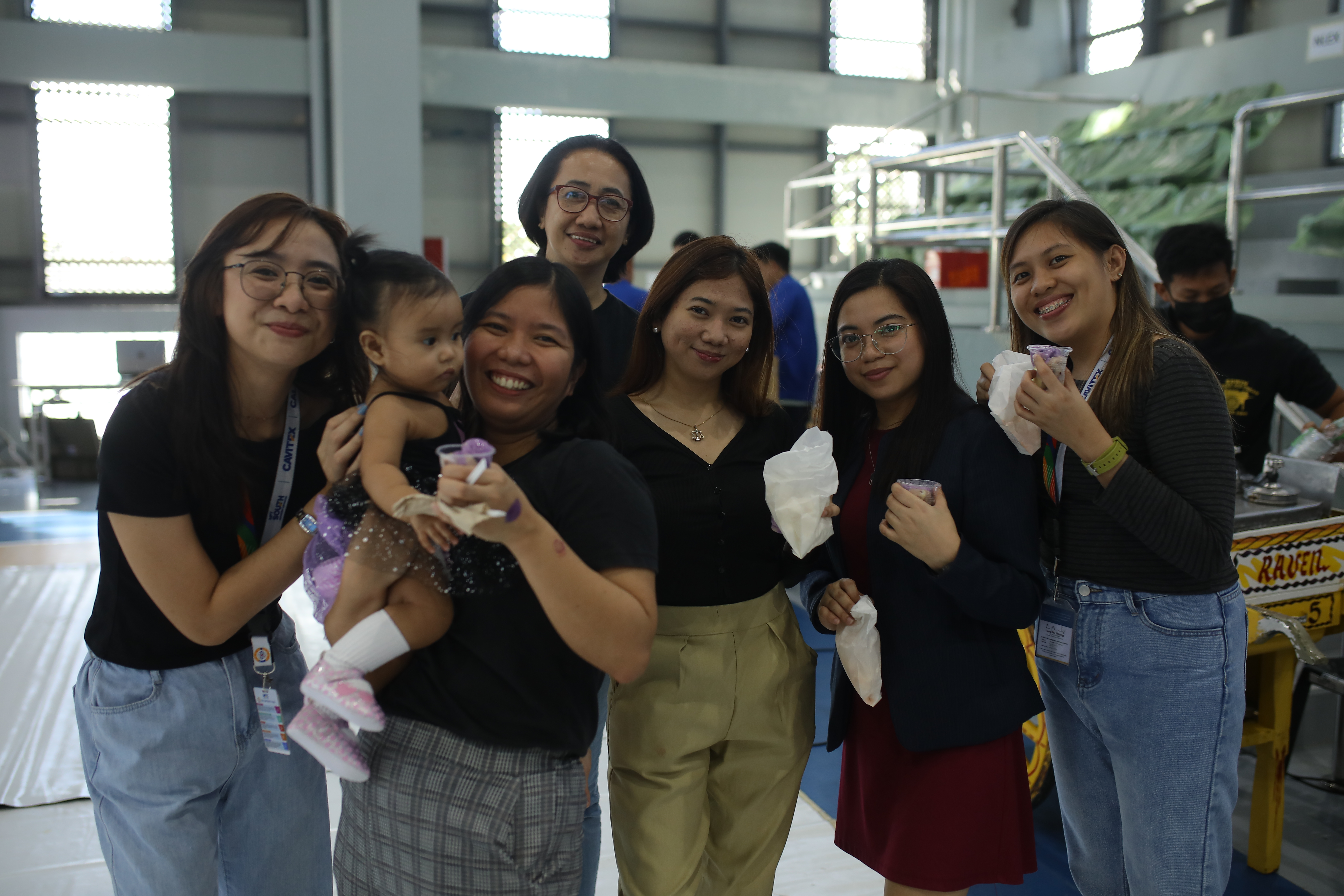
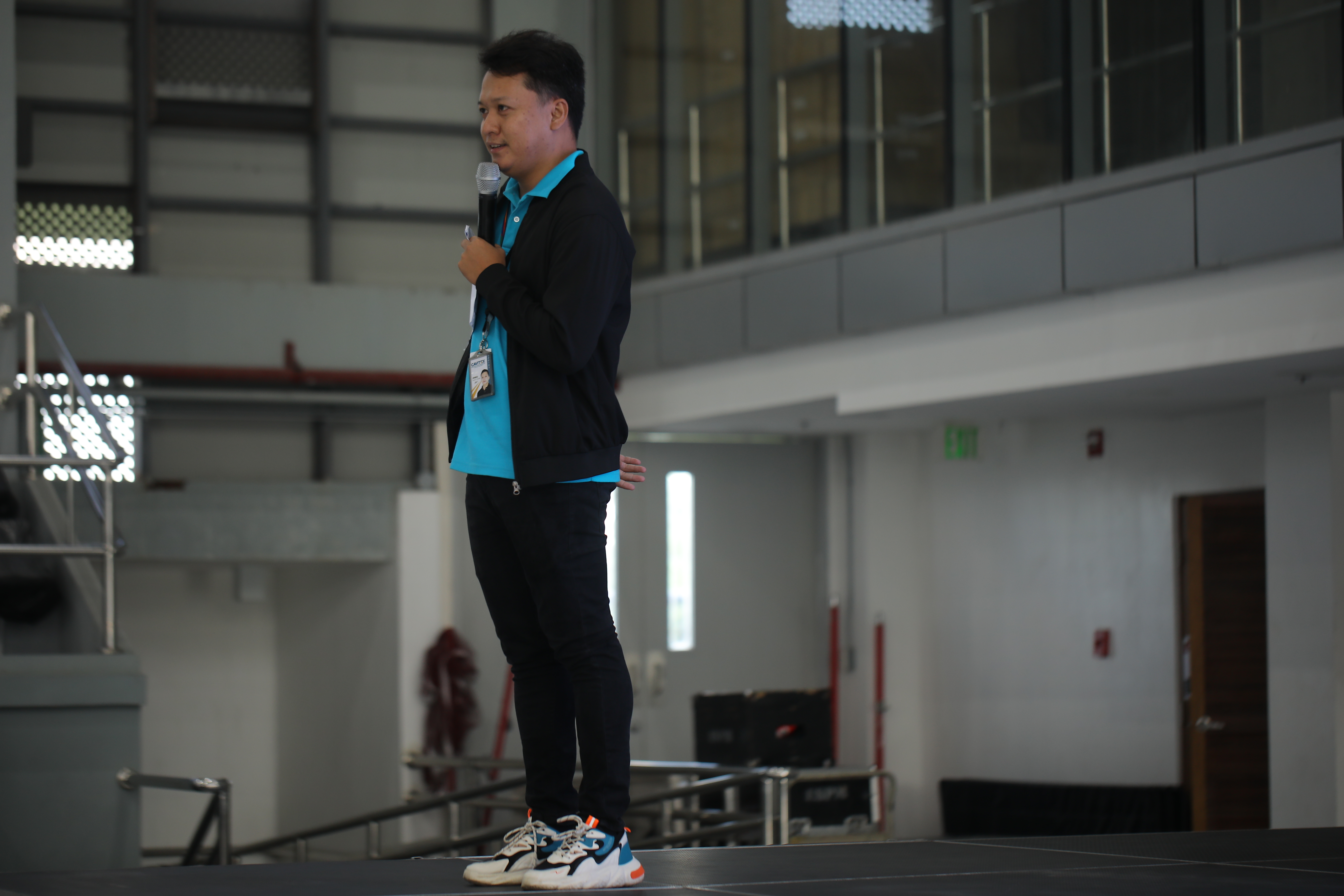
Halloween Program
Hosted by Zandro Bustillo from the Operations Management Team












 MPT South Company Newsletter